The evolution of gambling A deep dive into its historical roots
The Ancient Origins of Gambling
The history of gambling can be traced back to ancient civilizations, where various forms of betting and games of chance were prevalent. Archaeological evidence suggests that as far back as 3000 BC, Chinese civilizations were using rudimentary dice made from animal bones, marking the beginning of games of chance. Similarly, in ancient Mesopotamia, clay tablets were discovered that indicated the practice of gambling through games involving dice. This early adoption of chance-based games highlights humanity’s intrinsic attraction to risk and reward, which can also be seen today in activities such as aus online pokies.
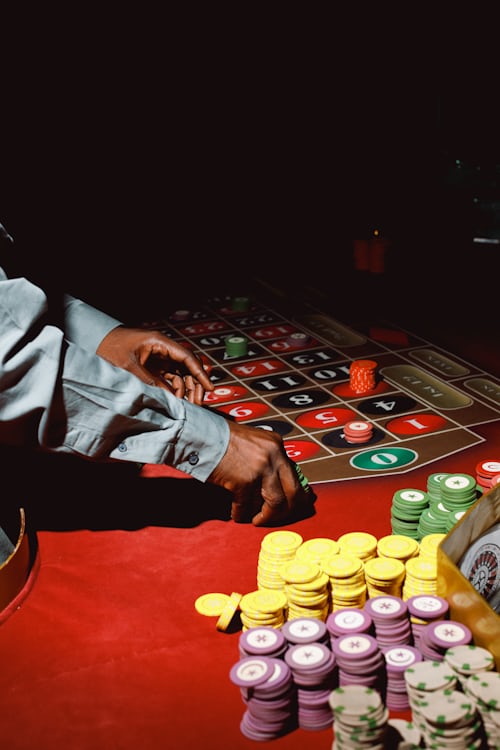
In ancient Rome, gambling was widely accepted and integrated into society, with various games played during festivities. The Roman Empire saw the establishment of betting on gladiatorial contests, showcasing how gambling intersected with entertainment and social status. The combination of social events and chance games laid the groundwork for organized gambling, turning it into a notable aspect of cultural activities throughout history.
The Role of Gambling in Medieval Societies
During the medieval period, gambling took on new forms as societal structures evolved. The rise of the merchant class led to an increase in wealth and leisure time, resulting in greater participation in gambling activities. Games like cards became increasingly popular, particularly in Europe, where they were used not only for entertainment but also as a means of social interaction. This period saw the creation of the first known gambling houses, which laid the foundation for modern casinos.
Furthermore, gambling during this time was often linked to social dynamics and politics. Nobility would gamble not only for pleasure but also as a means of displaying power and influence. Tournaments and other competitive games were often fueled by bets, intertwining gambling with the fabric of medieval life, where it served as both a pastime and a reflection of one’s status in society.
The Transformation in the Modern Era
The transition to the modern era brought about significant changes in gambling practices, particularly with the introduction of state regulation. In the 17th century, governments began to recognize the potential tax revenue from gambling, leading to the establishment of state-run lotteries. These lotteries became immensely popular and were seen as a means to fund public projects, thus legitimizing gambling in the eyes of the public.
As the 19th century approached, the advent of the industrial revolution transformed society, creating a new class of urban workers with disposable income. This shift fueled the growth of casinos and racetracks, making gambling more accessible than ever. The popularity of poker, blackjack, and other card games surged during this time, laying the groundwork for the establishment of iconic gambling destinations that would attract visitors from around the world.
The Digital Revolution and Online Gambling
With the rise of the internet in the late 20th century, gambling underwent another profound transformation. Online casinos and betting platforms emerged, allowing users to place bets and engage in games of chance from the comfort of their homes. This digital shift not only broadened access to gambling but also introduced new formats, such as live dealer games and virtual poker rooms, creating a dynamic online gambling ecosystem.
The digital revolution also posed challenges for regulatory frameworks, as governing bodies struggled to keep pace with the rapid evolution of online gambling. Issues surrounding responsible gaming and consumer protection became increasingly relevant, highlighting the need for regulations that adapt to the changing landscape. As online gambling continues to grow, it shapes social dynamics and introduces new opportunities and risks for players worldwide.
Exploring Gambling through Creative Mediums
As gambling continues to evolve, it remains a fascinating subject explored in various creative mediums, including film, literature, and art. The complexity of gambling—its social implications, psychological effects, and ethical considerations—makes it a compelling theme for storytelling. Independent films, in particular, have begun to delve into the narratives surrounding gambling, showcasing not only the thrill of chance but also the darker aspects of addiction and societal impact.
At festivals such as the GCFilmFestival, filmmakers showcase innovative works that tackle the multifaceted nature of gambling, offering audiences a deeper understanding of its historical roots and modern-day implications. The intersection of gambling and creativity not only entertains but also sparks important conversations about human behavior, society, and the ongoing evolution of this age-old practice.


